Effortless Meal Transport: The Combo Carrier Solution
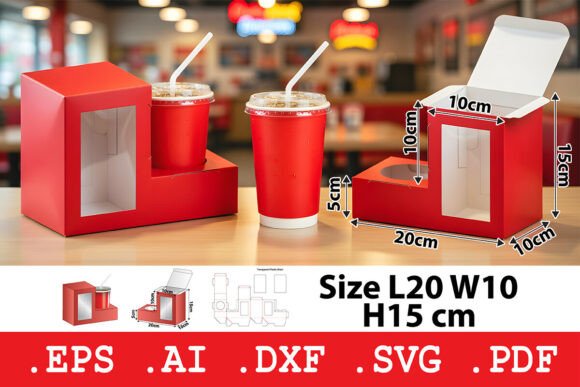
Imagine a customer at a bustling food festival, trying to juggle a steaming cup of coffee and a fresh pastry without a fumble. This common scenario is precisely why a well-designed Food and Drink Combo Carrier is such a valuable asset for any food service business. This functional template provides a stable, space-efficient way to securely hold both a beverage and a separate food item, streamlining the customer experience from point of sale to consumption.
With optimized dimensions for 300-350 gsm paper and included files for CNC, laser cutting, and print, this carrier is a practical design asset. It solves a logistical problem with elegant simplicity, much like how the right typeface can solve a design challenge. Thinking about a project’s functional needs, whether it’s packaging or typography, is the first step toward a polished, professional outcome.
Where Form Meets Function in Design
The principles behind this combo carrier—efficiency, clarity, and user-centric design—are the same principles that guide great typographic choices. When selecting a font for a project, you're not just picking letters; you're choosing a voice, a mood, and a tool for communication. A premium font with excellent readability and character can elevate a simple design into a memorable brand identity.
Consider how different typeface styles serve different purposes, much like different carriers are designed for specific food pairings:
- A clean sans serif font offers modern clarity for web design or social media graphics, ensuring text is easily readable on screens.
- An elegant serif font or a flowing script font can add a touch of sophistication to editorial design, packaging design, or luxury branding.
- A bold display font or a charming handwritten font can inject personality into poster design, logos, or event invitations, capturing attention at a glance.
Practical Tips for Your Next Typographic Project
Choosing the right font is a critical design decision. To ensure it works for you, test its readability in the context of your project. A beautiful typeface loses its value if the text is hard to decipher at the intended size. Always consider the mood and personality you want to convey. Does the font’s style align with your brand’s voice? A mismatch can create visual dissonance.
Effective font pairing is another key skill. Try combining a striking display font for headlines with a highly legible body text font. This creates visual hierarchy and guides the viewer’s eye. Finally, always check the licensing details of any font download. Ensure the commercial font license covers your intended use, whether for a client’s logo design, merchandise, or digital products.
Ultimately, investing time in selecting the perfect typeface is an investment in your project’s success. It enhances visual consistency, strengthens brand recognition, and communicates a level of care and professionalism that resonates with your audience. The right design asset, whether a functional carrier or a versatile font, provides the foundation for a seamless and impressive final product.